











× Home About Beneficiary Membership GALLARY NEWS CAREER Contact
image1
image2
image3
image4
image5
image1
image2
image3
image4
image5
image3
image4
image5

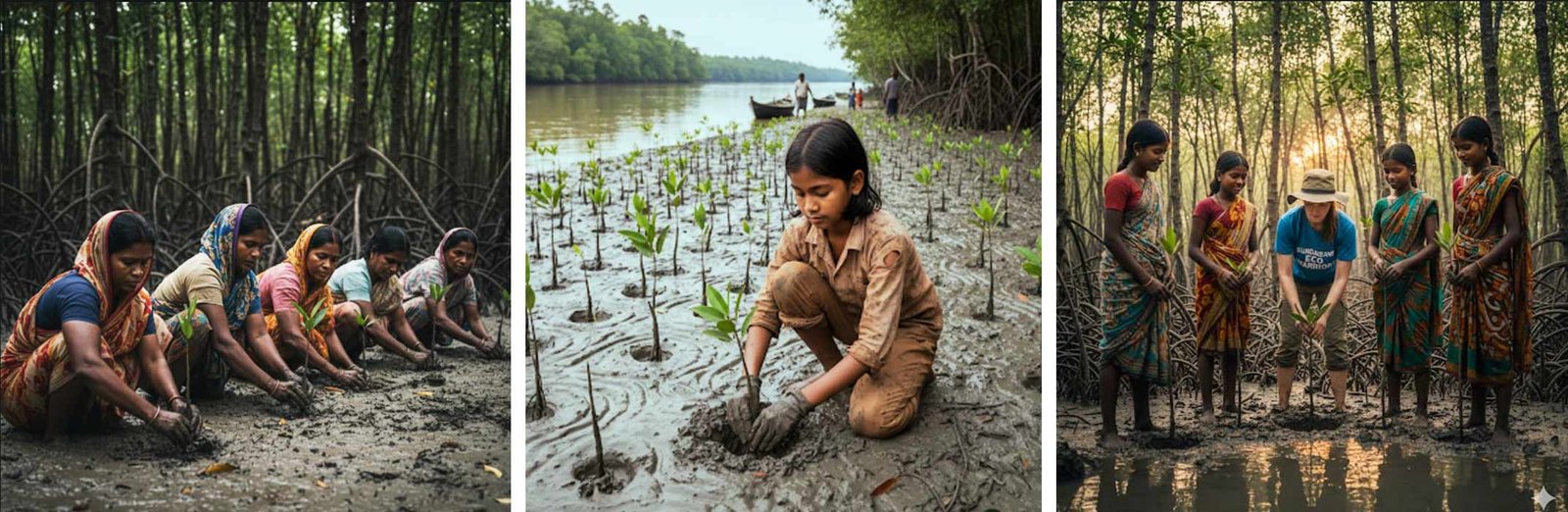
Advancing climate resilience through Community-led Mangrove Restoration, Biodiversity Conservation and Sustainable Women’s Safety and Livelihoods in the Indian Sundarbans, aligned with the UN SDGs 2030.

Samik G

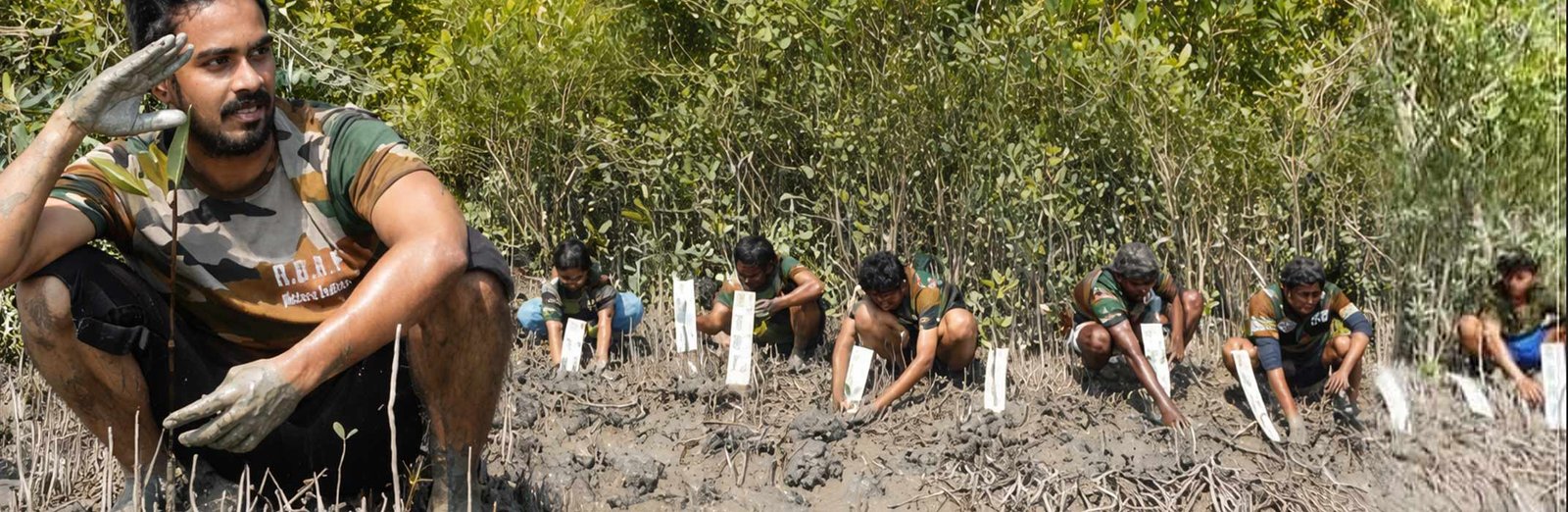
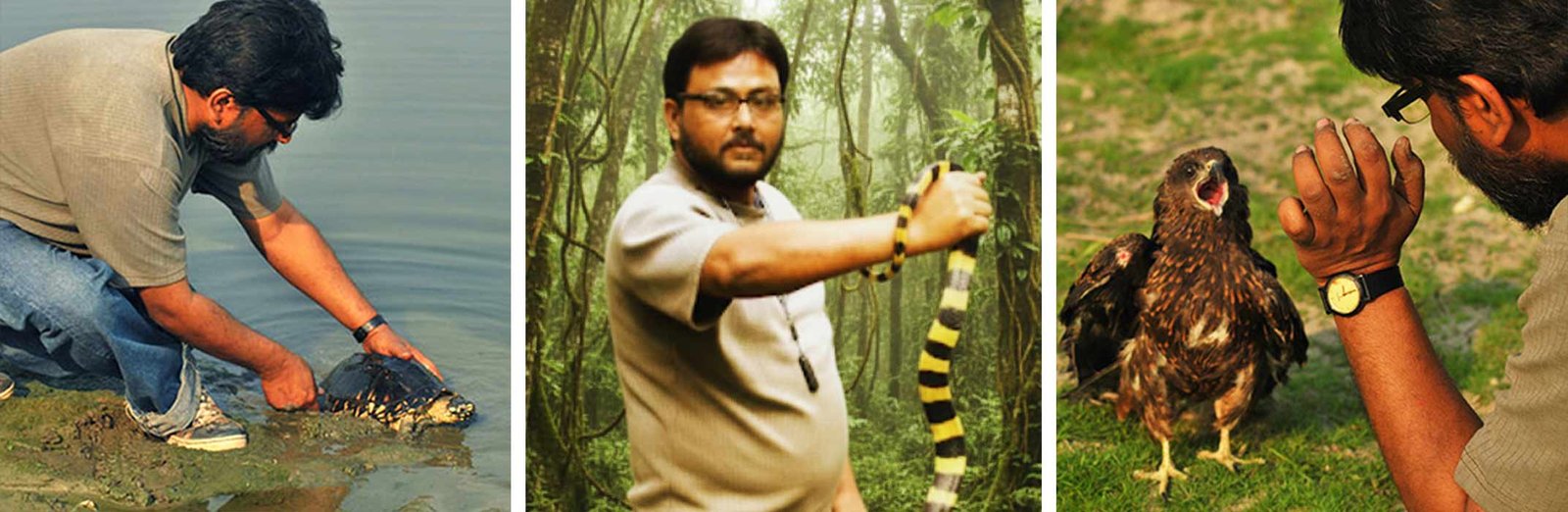
“Achieving the SDG Mission rests on four interdependent and transformative pillars: carbon sequestration through mangrove plantation and farm forestry development; biodiversity restoration; organic agriculture; and antibiotic-free livestock farming—collectively strengthening food security, public health, climate resilience, and ecosystem integrity.”
— Samik G, IUCN-CEC President RBRF-Labannya Group

Mithu Banerjee

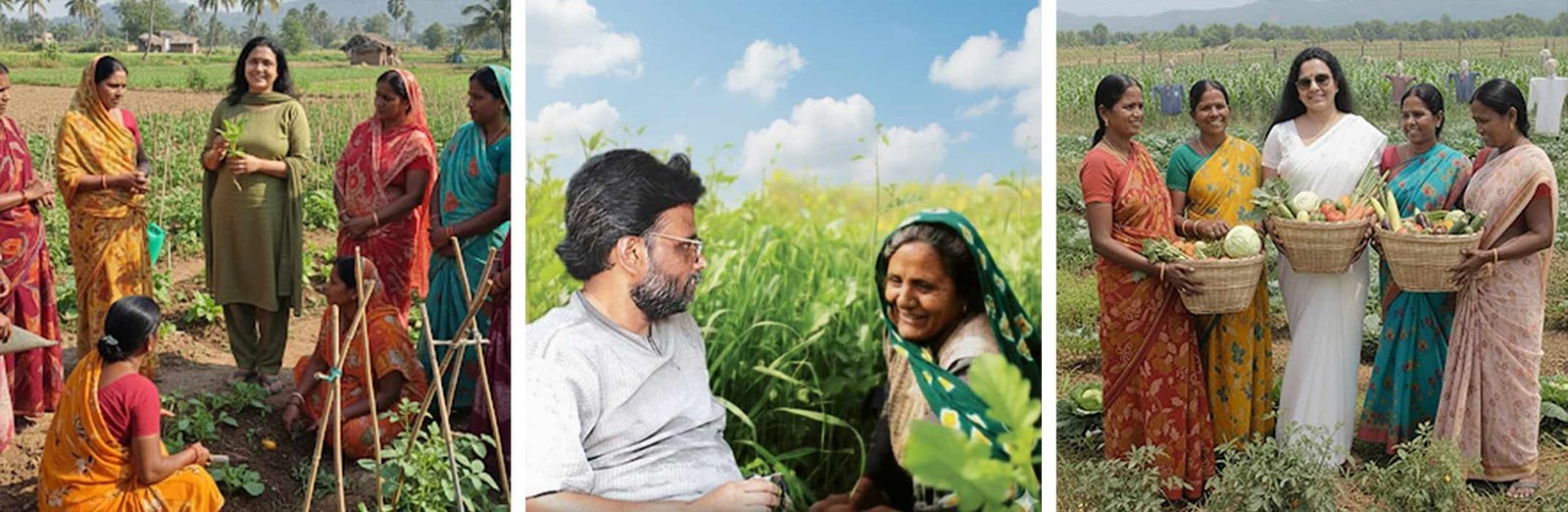
“Social responsibility is central to planetary sustainability and social renewal, outweighing individual career ambitions. Especially in the context of climate resilience and women’s empowerment, Labannya is envisioned as a people-centred concept rather than a founder-centric institution, mobilising collective resistance and hope.”
— Mithu Banerjee, Founder-Secretary, Team Labannya

Highlight

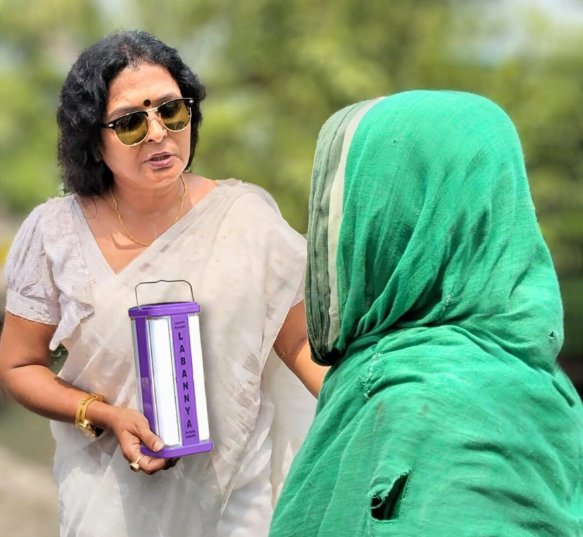
LABANNYA is safeguarding the safety and dignity of tiger widows and fisherwomen in the Indian Sundarbans by addressing a long-ignored risk—snakebites after dusk. In 2025, we introduced solar lanterns for women lacking access to light. Since then, no snakebite-related deaths have been reported among beneficiaries. This simple intervention has enabled safe mobility after dark, restoring confidence, security, and dignity. Help light a woman’s life in the Sundarbans—partner with us.

Encouraging Ideas and EoI for Collaboration

LABANNYA invites bold, transformative ideas and Expressions of Interest (EOIs) for collaboration. Our management team welcomes innovative, impact-driven proposals that can be jointly designed and implemented to enhance women’s safety and sustainable livelihoods, while simultaneously strengthening environmental resilience in vulnerable landscapes such as the Indian Sundarbans.

We are particularly interested in partnerships that combine community-based knowledge with scalable solutions, promote dignity and inclusion of marginalised women, and contribute meaningfully to long-term social and ecological resilience. Donors, Organisations, institutions, researchers, and socially committed individuals are encouraged to connect with us and explore opportunities for meaningful collaboration.

What the Progress of 2025 Can Teach Us About the Possibilities of 2026

The experiences and outcomes of 2025 deliver two unequivocal messages that must no longer be ignored:

(a) Without sustained, holistic, and compassionate action, the concept of humanity itself loses meaning for those living at the margins of society.

(b) Conservation in isolation is insufficient. Large-scale ecological restoration is now indispensable for the survival of the Sundarbans, and delay will only accelerate irreversible loss. The time to reflect has passed; the time to act is now.

As we enter 2026, civil society carries a clear and urgent responsibility. Collective, decisive, and courageous action is required to ensure that the most critical social and ecological challenges are not treated as peripheral concerns, but are embedded at the core of on-ground implementation and sustainable development strategies. The future will not be shaped by caution or incrementalism, but by shared action grounded in justice, resilience, and hope.

Women in the Workplace

Artificial intelligence is transforming labour markets, employment structures, and economic participation worldwide. When designed responsibly and inclusively, AI can be a powerful enabler of gender equity and social empowerment in the workplace. AI systems can expand women’s access to skills, flexible and remote work, and digital entrepreneurship—particularly benefiting women in informal, rural, and climate-vulnerable contexts. Inclusive AI can also reduce bias in recruitment, promotion, and wages, while recognising unpaid care work and supporting work-life balance.
To achieve equitable outcomes, gender-responsive AI policies must prioritise digital access, capacity building, ethical data governance, and meaningful participation of women in AI design. Embedding gender equity in AI governance is essential for inclusive, sustainable development, workforce resilience, innovation, social justice, and long-term equality across sectors and communities.